My first writing class at East Carolina University was focused on fiction writing. Fiction was a safe way to tell the truth about something you cared about, without angering people. Or so I thought.
My first short story, The Scent of Pine, was pretty juvenile for a college student. But it revealed, according to the professor, that I had instinct. When he read the last paragraph, he said I wrapped up the story without telling the reader what to think. And that was a good thing.
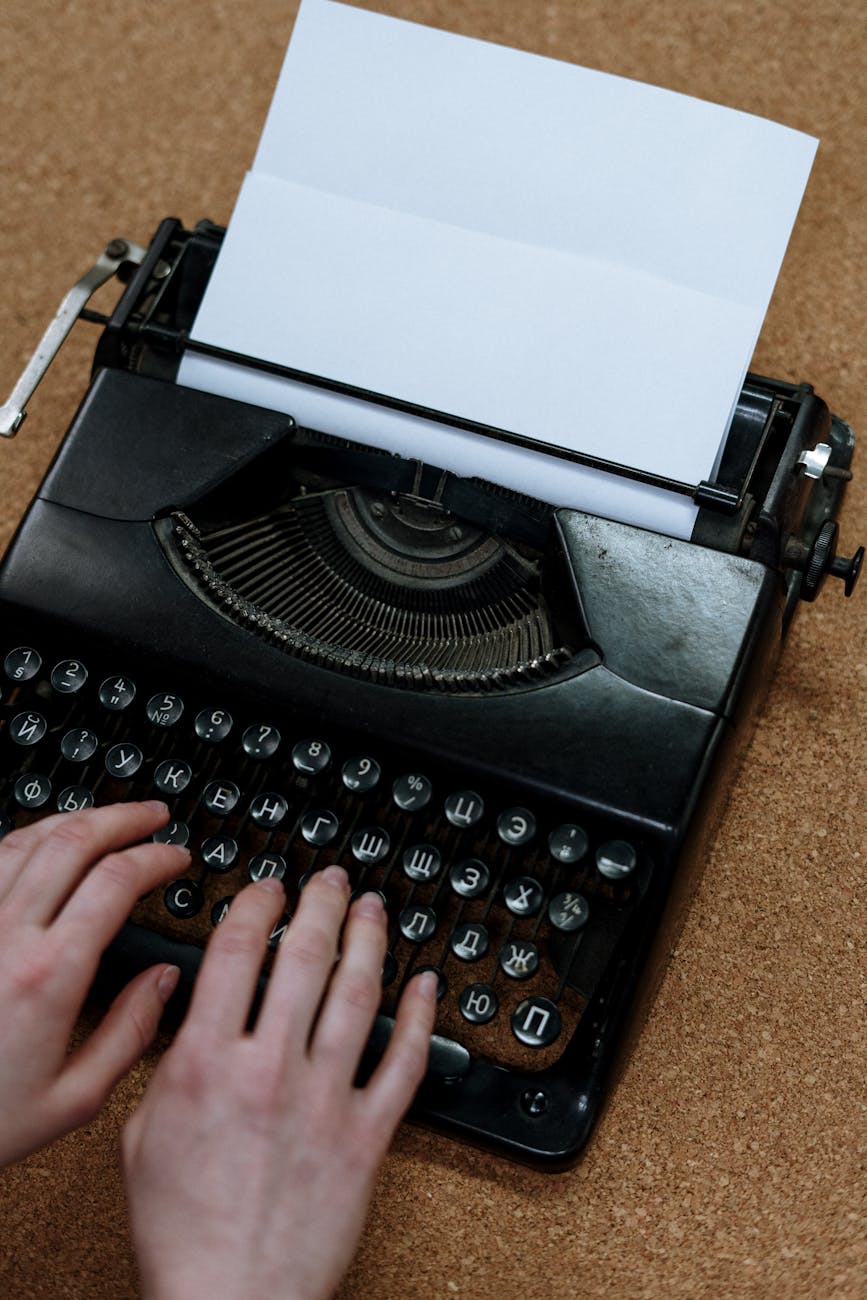
The professor told me to focus on stylistics. My sentence structure was not the best. I hadn’t even mastered many grammatical rules, although English had been one of my best subjects.
But the voice was already there, according to some of my peers. I just needed to hunker down and keep writing & learning through my mistakes.
College was all about the classics and ” serious” literature. So when the professor asked us, on the first day, to share what we were presently reading, I heard a lot of snickering. I didn’t name a book. I answered, ” Reader’s Digest.”
I was honest. And I felt kinda stupid when they laughed.
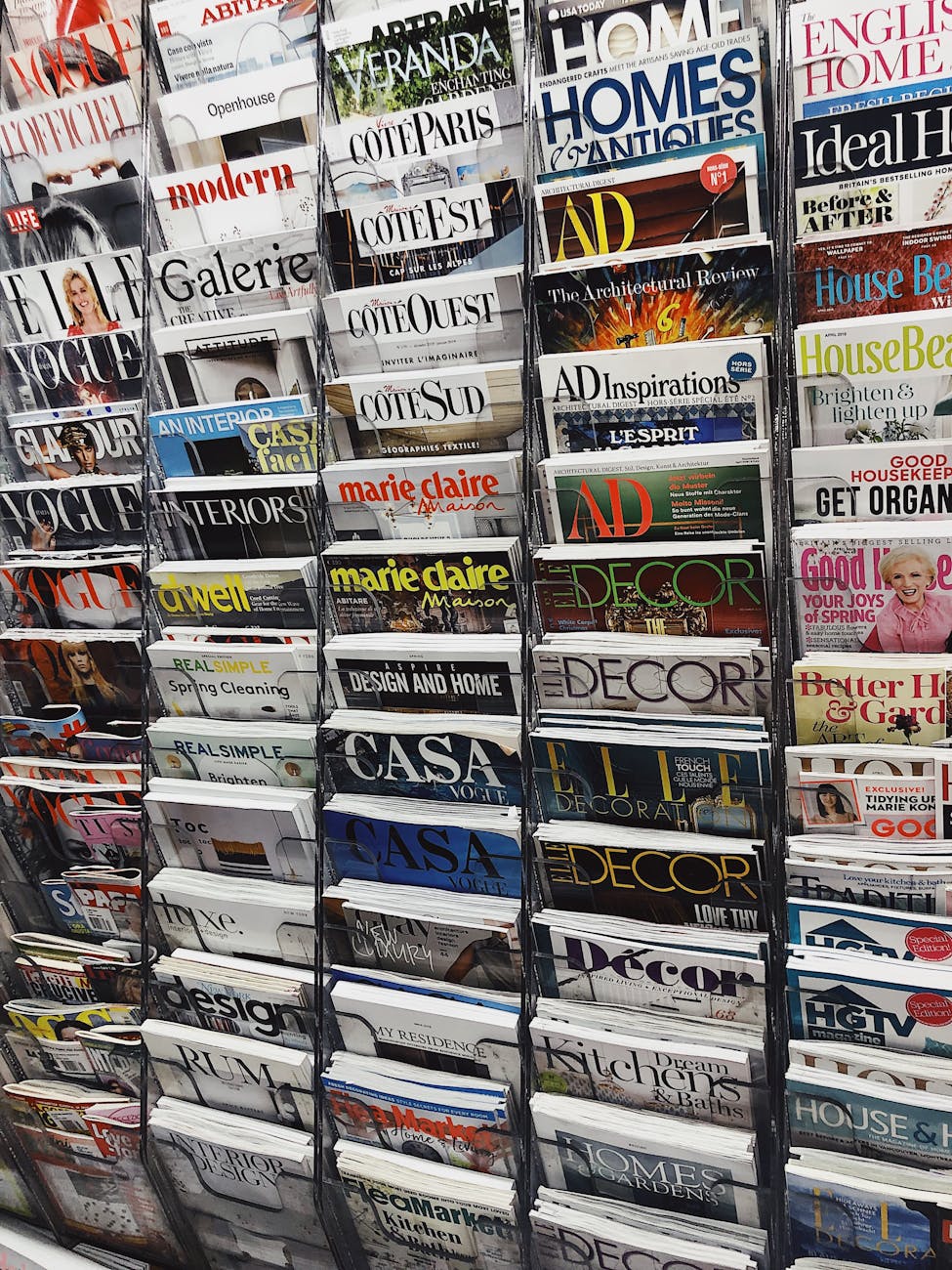
However, years later I understood the great skill it took to write very short stories & essays. To say something worthy in such a condensed space. I challenged myself to do the same.
For years I kept practicing my stylistics. And my writing got tighter and better. I found writing websites that required strict word limits. I posted short stories & essays about faith and other topics.
An aspiring writer can learn a lot from Reader’s Digest and other magazines. Many professional writers will tell you how difficult it is to use less words.
I was like a pianist that plays by ear.
I could always write, but couldn’t necessarily diagram a sentence.
I finally mastered some grammatical rules. My teaching jobs, especially Middle School, forced me to learn things that only strengthened my writing.
And once you master good rules, you can break them for stylistic reasons. Writing becomes even more fun!
But back to the unfortunate reality that some people may be angered by your fiction writing, even when you repeatedly tell them it’s a made-up story.
So for many years I wouldn’t share my early stories with certain people. What is a writer to do?
Keep writing.
It’s a gift, a talent, and if you are a sensitive person that doesn’t deliberately try to hurt people, find a way to make peace with it.
Nonfiction is even more dangerous!
You can write simple articles, mindful about using inflammatory words, and still anger somebody.
In the words of a New Yorker I met years ago: fugettaboutit!

Okay.
Sounds good.
Even we god-fearing folk know how offensive Biblical & other religious words can be.
Mature writers and speakers learn to choose their words carefully, depending on the context.
Prepare yourself.
But if you are passionate about something, you may roar like a prophet in both speech and writing.
And keep on keeping on…

 K. S. EVANS MINISTRIES
Leave a comment